
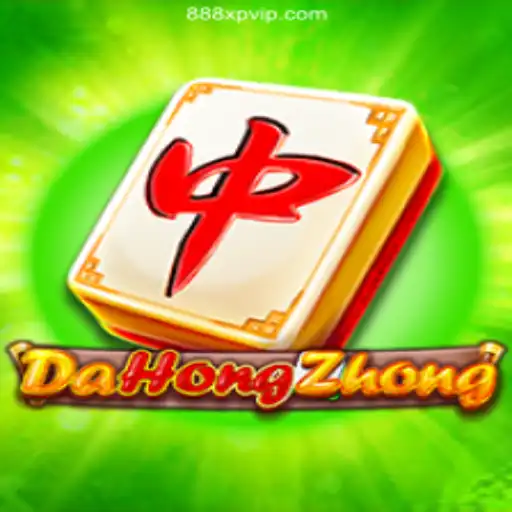
DaHongZhong: The Ultimate Guide to This Traditional Mahjong Game
In the vibrant world of classic board games, DaHongZhong stands as a captivating variation of Mahjong that continues to attract enthusiasts from across the globe. With its roots deeply entrenched in Chinese culture, DaHongZhong offers a unique blend of strategy, skill, and luck, providing players with endless hours of entertainment.
Introduction to DaHongZhong
Mahjong itself is a tile-based game that has been played for centuries, believed to have been developed during the Qing dynasty in China. Over the years, numerous variations have emerged, each with its own set of rules and strategies. DaHongZhong, with its specific twists, is one such variation that has gained popularity among traditional game lovers and modern players alike.
The game requires four players and utilizes a standard set of Mahjong tiles, which consist of suits including bamboo, characters, and dots, as well as honor tiles such as winds and dragons. The primary aim of DaHongZhong is to create sets and pairs from the drawn tiles, much like classic Mahjong, but with distinctive rules that add a layer of complexity to the game.
Understanding the Rules of DaHongZhong
DaHongZhong derives its name from the dominant emphasis on red dragons, known as 'hongzhong' in Mandarin, which play a pivotal role in scoring and strategy. Here are some key rules that outline how DaHongZhong differs from other Mahjong varieties:
- Tile Composition: While the core tiles remain consistent with traditional Mahjong, DaHongZhong places significant strategic importance on the red dragon tiles. Players must pay heightened attention to these tiles during both the drawing and discarding process.
- Scoring: The presence of red dragons offers higher points, making them crucial for winning hands. Collecting a full set of red dragons can greatly increase a player’s score, providing an advantage over opponents.
- Game Flow: Just like in standard Mahjong, each player takes turns drawing a tile from the wall and discarding one. The goal is to form a legal hand, typically comprising four sets and a pair, commonly referred to as the eyes.
- Winning the Game: Players declare a win by achieving a 'Mahjong,' signifying a legal hand. The red dragon tiles can help achieve higher scale victories, often leading to an exciting and competitive game.
Strategic Elements of DaHongZhong
While luck plays a part in the game, strategy is indispensable. Here are some insights to gain an upper hand:
- Tile Observation: Keeping a keen eye on the tiles discarded by opponents can provide insight into their strategies, enabling effective counter moves.
- Focus on Red Dragons: Prioritize securing and retaining red dragon tiles. Given their scoring potential, they can turn the tide of the game swiftly.
- Balance between Defense and Offense: While aggressively pursuing a win, remain vigilant of opponents' possible Mahjong and structure discards to block key tiles.
DaHongZhong in the Current Landscape
The traditional roots of DaHongZhong have given rise to a digital renaissance, with platforms such as 888XP.Com BET VIP providing online versions that offer guaranteed payments and vast networks of players. These platforms are evolving the way DaHongZhong enthusiasts engage with the game, allowing users from different backgrounds to compete in virtual spaces, bringing together a community bonded by their love for this challenging yet rewarding game.
Recently, this digital adaptation has made DaHongZhong more accessible amid global developments where physical gatherings have been limited. Online platforms have provided a way for players to connect, play, and competitively enjoy the game beyond the traditional tabletop experience. The growing interest in digital play symbolizes a blend of timeless tradition with tech innovation, enabling wider participation and appreciation for the game.
The continuous innovation around traditional games like DaHongZhong exemplifies the game's lasting appeal, showcasing a historical gem reimagined for contemporary audiences, proving that the classic allure of Mahjong transcends generations.